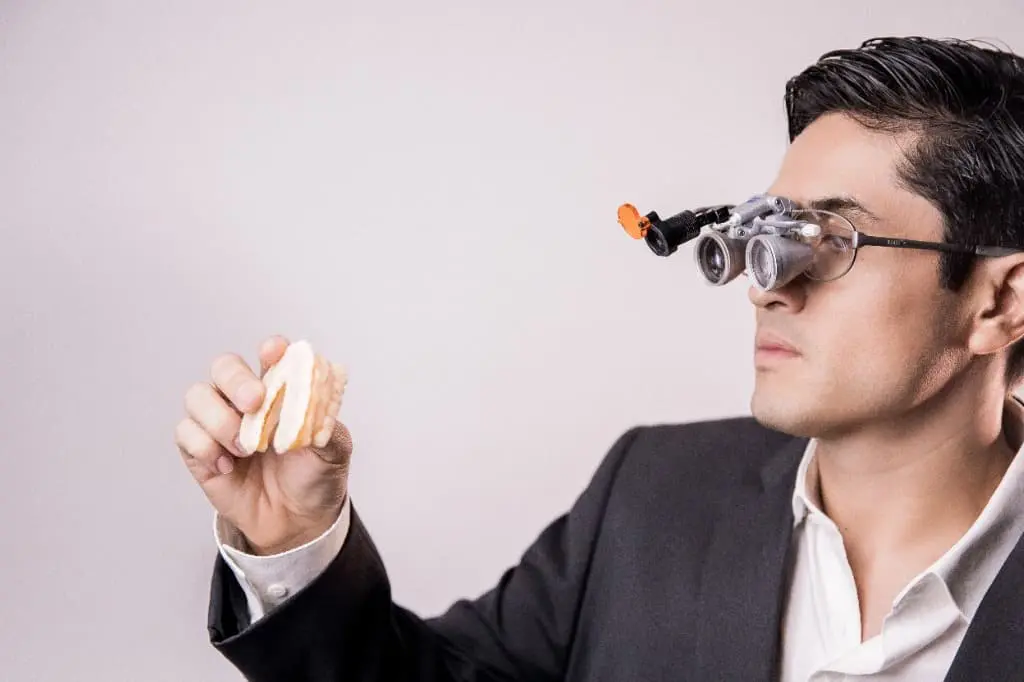
One of the most common procedures in our practice is restoring a tooth after a root canal. In the past, this almost always meant placing a post down into the root, building up a core, and covering it all with a separate dental crown. But dentistry has evolved, and today, I want to talk about a more modern, conservative, and highly effective solution: the endocrown. This approach is especially valuable for posterior teeth (like molars) that have lost significant tooth structure. At Asiri, we believe in using advanced, proven techniques that prioritize your long-term health.
In this article, we’ll give you a complete explanation of the endocrown, including why it’s so important in modern dentistry, how the procedure works, and th key things to know if you’re considering this treatment.
Table of Content
Key Takeaways:
- Minimally Invasive: The single biggest advantage of an endocrown is that it preserves far more of your natural, healthy tooth structure compared to a traditional post and crown.
- Strong and Durable: By creating a single, solid piece of high-tech ceramic (like lithium disilicate) that bonds to the entire inner chamber of the tooth, it creates an incredibly strong, monolithic restoration.
- Safer for the Root: Because we don’t need to drill into your root to place a post, we completely avoid the risk of perforating or weakening the root, which is a potential complication of older methods.
What Is an Endocrown?
An endocrown is a “monolithic” restoration, which simply means it’s custom-milled from a single block of material. Unlike a traditional crown that sits on top of a prepared “stump” of a tooth, the endocrown is designed to fit into the tooth. It has an extension that goes into the pulp chamber (the space where the nerve used to be), using that internal anatomy for retention and stability.
Think of it this way: a traditional crown is like a helmet that sits on your head, but it needs a post (an anchor) drilled into the root to stay on a weak tooth. An endocrown is like a custom-made puzzle piece that slots perfectly into the hollowed-out part of the tooth, bonding to the inside and the top at the same time. It’s an all-in-one solution that combines the post, core, and crown into one strong component.

Why Is It Important?
The guiding principle of modern dentistry is conservation. The more natural tooth structure we can save, the stronger your tooth will be for the rest of your life. This is where the endocrown truly shines. By not having to drill a channel for a post, we save critical tooth structure at the base of the tooth, which is the area most vulnerable to fracture.
For our patients, especially international travelers and expatriates here in Quito, this is fantastic news. It means a simpler, safer, and often faster procedure. This gives you a high-quality, durable, and honest restoration without the complications of older techniques, which is our core promise to you.
The Endocrown Procedure
- 1. Precise Diagnosis and Planning: As with all our treatments, we start with a precise diagnosis, usually including X-rays or a 3D scan (CBCT), to confirm the tooth is a good candidate and that the root canal is successful.
- 2. Root Canal Treatment: The endocrown is placed after a root canal. If the tooth doesn’t have one, this is the first clinical step.
- 3. Tooth Preparation: We gently clean out the pulp chamber and remove any old fillings or decay. We then smooth the top (occlusal) surface of the tooth. This process is much less invasive than preparing for a traditional crown.
- 4. Mold: We take the mold of the prepared tooth. This mold is the base we send to the lab.
- 5. Lab or CAD/CAM Milling: The mold is sent to the lab. They make your custom endocrown from a single block of high-strength, tooth-colored ceramic.
- 6. Adhesive Bonding: This is the most critical step. We try in the endocrown, confirm the fit and color, and then bond it to your tooth using a powerful adhesive cement. This process fuses the endocrown to the tooth, making them one solid unit.
- 7. Final Check and Polish: We check your bite to ensure everything is comfortable, make any minor adjustments, and give the restoration a final polish.
Benefits of an Endocrown
- Preserves Natural Tooth: This is the #1 benefit. It requires minimal preparation, leaving more of your own strong tooth intact.
- Reduces Risk of Root Fracture: By avoiding a post, we eliminate the primary cause of root fractures in crowned teeth.
- Superior Strength: The monolithic design and adhesive bond distribute chewing forces evenly, much like a natural tooth, leading to high fracture resistance.
- Excellent Longevity: Clinical studies show high success rates for endocrowns, especially on molars, with outcomes comparable or superior to traditional post-and-core crowns. 1
Potential Risks and Complications
While the success rate is very high, as with any dental procedure, there are minor risks:
- Debonding: The most common issue is the endocrown becoming loose or falling off. This is almost always due to a failure in the adhesive bond and can often be fixed by simply re-bonding it.
- Restoration Fracture: The high-strength ceramics are very strong, but like a natural tooth, they can fracture under extreme force.
- Tooth Fracture: This is much less common than with posts, but a non-vital (root-canaled) tooth is always weaker than a living one, so a risk of fracture remains.
Alternatives to an Endocrown
- Traditional Post-and-Core Crown: This is the classic method. It’s still a good and necessary option in some cases, particularly for front teeth or if the pulp chamber is too shallow.
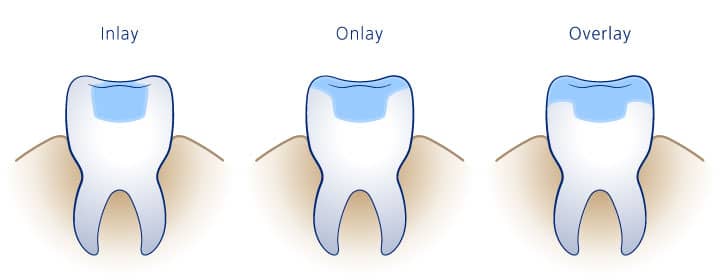
- Onlay or Overlay: If more tooth structure is remaining, a more conservative ceramic onlay (which covers the chewing surface) might be an option.
- Extraction and Dental Implant: If the tooth is too damaged to be saved, the final alternative is removal and replacement with a dental implant.

Frequently Asked Questions (FAQs)
Is the endocrown procedure painful?
Absolutely not. The tooth has had a root canal, so it has no nerve and cannot feel pain. The entire process is done comfortably, and we at Asiri are committed to ensuring “pain is not an option.”
How long does an endocrown last?
With proper care (good hygiene and regular check-ups), an endocrown can last for many, many years, often 15 years or more. Their durability is a key reason we recommend them.
I’m scared of the dentist. Why is this better?
We completely understand your concern, especially when you’re in a foreign country. This procedure is better for anxious patients because it’s less invasive. There’s less drilling, it’s often faster, and it’s a “one-and-done” piece, which means fewer moving parts and fewer things to worry about.
What materials do you use?
We use only premium, first-quality materials, such as lithium disilicate (e.g., E.max) or zirconia-reinforced ceramics. These are biocompatible, look just like a natural tooth, and are incredibly strong.
I’m a tourist in Quito. Can I get this done quickly?
Yes. Because it’s an ideal procedure for a CAD/CAM (digital) workflow, we can often complete the entire restoration in a single or in a few days. This means you can get your tooth fixed and get back to enjoying your trip.
Conclusion
The endocrown represents a major step forward in restorative dentistry. It allows us to save teeth that were once difficult to restore, and to do so in a way that is stronger, safer, and far more conservative of your natural tooth structure. It perfectly aligns with our philosophy of providing honest, high-quality, and modern care.
At Asiri Centro Odontológico, your trust is our priority. We are here to be your guide to dental health and to ensure you feel understood, safe, and cared for. You won’t be only a patient; we build relationships. We aim to be your “dental home” in Quito, transforming you from a patient into a friend. If you have a tooth that needs a crown, ask us if an endocrown is the right, honest solution for you.
References
- Govare N, Contrepois M. Endocrowns: A systematic review. J Prosthet Dent. 2020 Mar;123(3):411-418.e9. doi: 10.1016/j.prosdent.2019.04.009. Epub 2019 Jul 26. PMID: 31353111. ↩︎
Author

Our Foundress and guardian of our Values
Dr. Krisna makes sure that the treatment you receive is successful by contrasting opinions between all the doctors that are necessary and ensuring a neat execution of all the processes.
More about Dr. Krisna Casal