Following the post-surgical indications recommended by your oral surgeon is a key factor in success of any oral surgery.
Below we give you, for reference, a general list of indications of things you can do after wisdom teeth removal or any other surgical dental procedure.
We do not pretend to be a guide of what you need, the definitive indications must always be given by the doctor who performed the treatment.

Table of Content
General Dental Post-surgical Indications
The instructions that you will receive are aimed at achieving a recovery in the shortest possible time, relieving discomfort and helping the healing processes.
This applies to procedures performed in oral surgery and periodontics such as:
- Wisdom teeth extraction
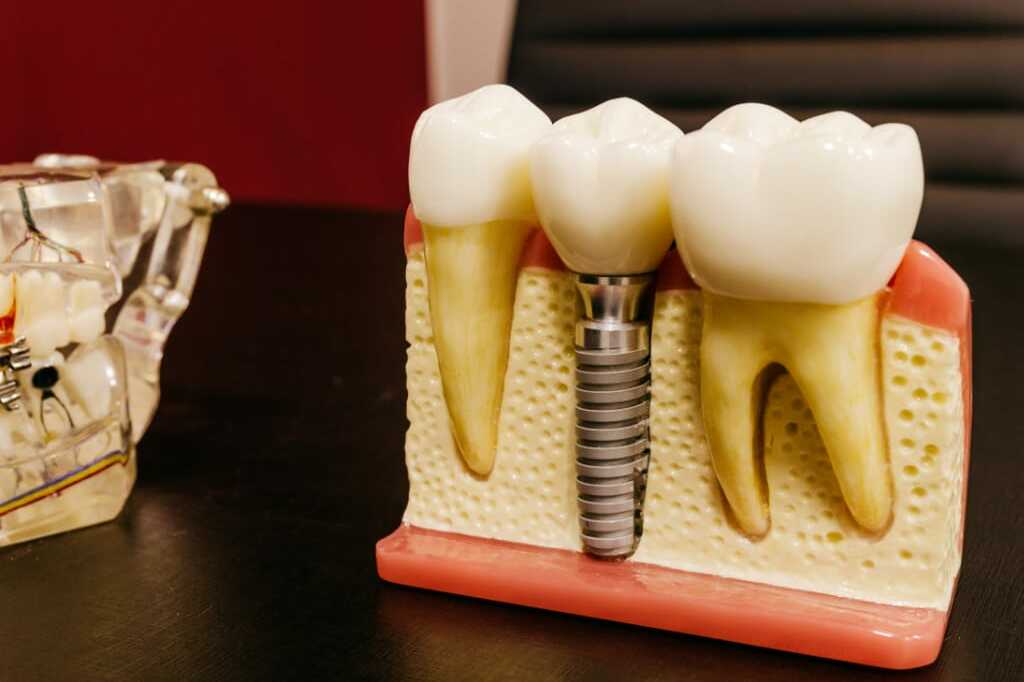
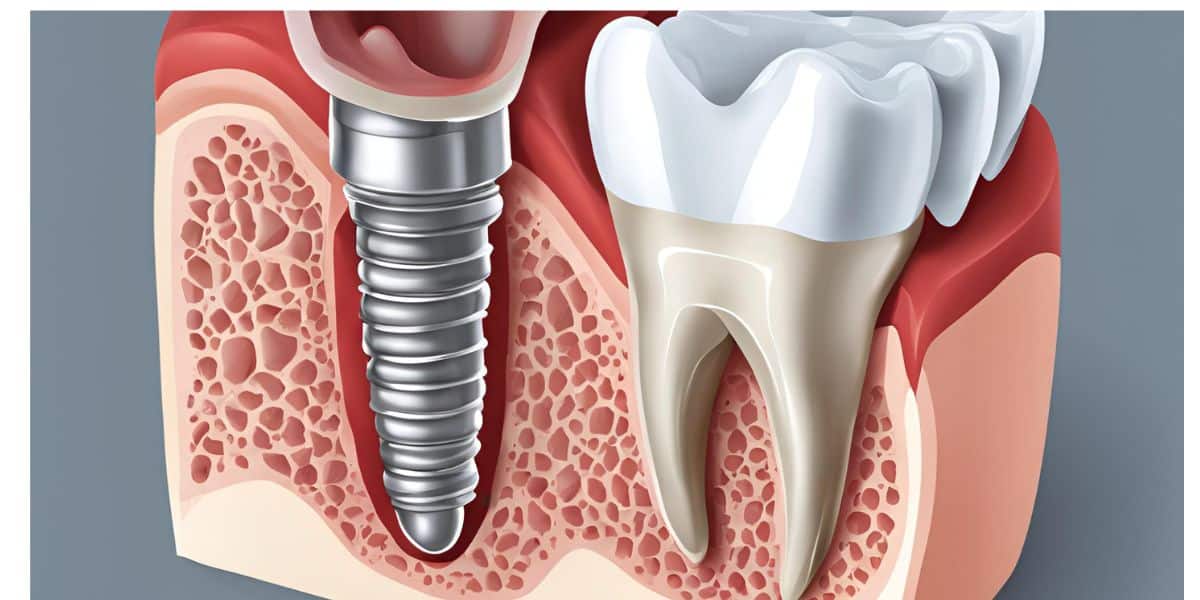
- Dental implant placement
- Scaling and root planning
- Sinus lift
- Bone grafting
- Gingivectomy
In general you must:
- Keep rest
- Mitigate pain and inflammation
- Prevent infections
- Take actions that promote healing by maintaining the suture and the clot ( which is the body’s reaction to stop bleeding).
Here is the translation into English, maintaining the original structure and professional tone:
General Guidelines
- Acute Phase
- Biological Time: 0–60 minutes
- Therapy: Physical pressure with gauze
- Objective: Hemostasis (stop bleeding)
- Protocol: Keep the gauze bitten down for at least 40 minutes. This will allow the clot to form and the healing process to begin.
- Safety Note: If bleeding is not controlled, contact your doctor immediately.
- Absolute Rest Phase
- Biological Time: 0 to 72 hours
- Therapy: General guidelines
- Objective: Promote healing and protect the clot
- Protocol:
- Communication: peak only as much as strictly necessary.
- Soft and Cold Diet: Purees, blended cold soups, natural juices, ice cream.
- Avoid Aggressive Foods: NO grains, NO rice, NO spicy foods, NO acids, NO alcohol.
- Mechanical Precautions: Do not use straws, do not blow, do not kiss, do not suck, do not spit.
- Surgical Area: Do not chew on the side of the surgery or exert any force upon it.
- Avoid Heat Exposure: Hot meals, sun exposure, cooking, hair dryers, saunas, etc.
- Bleeding: Do not spit out blood, as you may dislodge the clot. Try not to rinse forcefully.
- Smoking: Do not smoke.
- Postural: Keep your head elevated. Sleep in a semi-reclined position.
- Physical Activity: No exercise or physical exertion.
- Sutures: Take care of the stitches; if any fall out, notify your doctor.
- Hygiene: Maintain oral hygiene, but brush the affected area very carefully using a super-soft bristle toothbrush.
- Rinses: You may be prescribed some clorexidine based antimicrobial rinse or a salt water 1 2.
- Medications: follow your prescribed medications
- Safety Note: In case of any concerns, contact your doctor immediately.
- Reactivation Phase
- Biological Time: 3–7+ days
- Therapy: Gradual reactivation
- Objective: Return to normalcy
- Protocol:
- Gradual phase-out of the postural and mechanical measures from the Absolute Rest Phase.
- Maintain hygiene instructions.
- Continue cold and heat applications as instructed.
- Do not smoke.
- Final appointment for suture removal (unless they are resorbable).
- Safety Note: In case of any concerns, contact your doctor immediately.
Cold and Heat Therapy Guidelines
Using a combination of cold and moist heat is key to reducing discomfort like swelling, pain, and stiffness.

Follow these steps alongside the general guidelines provided above
Steps
- Acute Phase (Inflammatory)
- Biological Timeframe: 0-24 hours
- Indicated Therapy: Cold (Cryotherapy)
- Objective: Hemostasis, vasoconstriction, edema prevention, analgesia.
- Application protocol:
- Intermittent: 20 min ON / 20 min OFF (ice or gel ice pack).
- Continuous: Only If Electronic Hilotherapy is used at 15°C.
- Safety Notes: Use cloth barrier. Do not apply heat. Monitor for cold burns/injuries.
- Transition Phase
- Biological Timeframe: 24 – 48 hours
- Indicated Therapy: Intermitent Cold (Cryotherapy)
- Objective: Maintenance of inflammatory control
- Application protocol: Continue with intermittent ice if pain/swelling persists. Gradually reduce frequency
- Safety Notes: The effect of cold diminishes at the end of this period. Do not apply heat yet
- Inflection Point
- Biological Timeframe: 48 – 72 hours
- Indicated Therapy: Transition (Wash-out)
- Objective: Change from vascular to cellular phase. Peak edema.
- Application protocol: Cease active cryotherapy. Evaluate status: if no bleeding, prepare for heat.
- Safety Notes: Observation period. Edema will reach its maximum here.
- Resolution Phase
- Biological Timeframe: Day 3 – 7+
- Indicated Therapy: Moist Heat (Thermotherapy)
- Objective: Edema reabsorption, Trismus (difficulty opening the mouth) Treatment, Muscle Relaxation.
- Application protocol:
- Intermittent: Warm moist compresses 20 min, 3-4 times a day.
- Rinses: Gently warm rinses with salty water
- Special note for Implants and Grafts: Very gentle and strictly external heat (no rinses) after 72 hours, avoiding mechanical manipulation of the grafted area.
- Safety Notes: Safe temperature (~40-45°C). Do not use if there are signs of active infection (pus, fever).
Infographic

References
- Stewart, M., Levey, E. & Nayyer, N. Salt water mouthwash post extraction reduced post operative complications. Evid Based Dent 16, 27–28 (2015). https://doi.org/10.1038/sj.ebd.6401084 ↩︎
- Collins, J.R., Veras, K., Hernández, M. et al. Anti-inflammatory effect of salt water and chlorhexidine 0.12% mouthrinse after periodontal surgery: a randomized prospective clinical study. Clin Oral Invest 25, 4349–4357 (2021). https://doi.org/10.1007/s00784-020-03748-w ↩︎
Author

Our Foundress and guardian of our Values
Dr. Krisna makes sure that the treatment you receive is successful by contrasting opinions between all the doctors that are necessary and ensuring a neat execution of all the processes.
More about Dr. Krisna Casal